
Staying Safe and Hydrated in a Heatwave
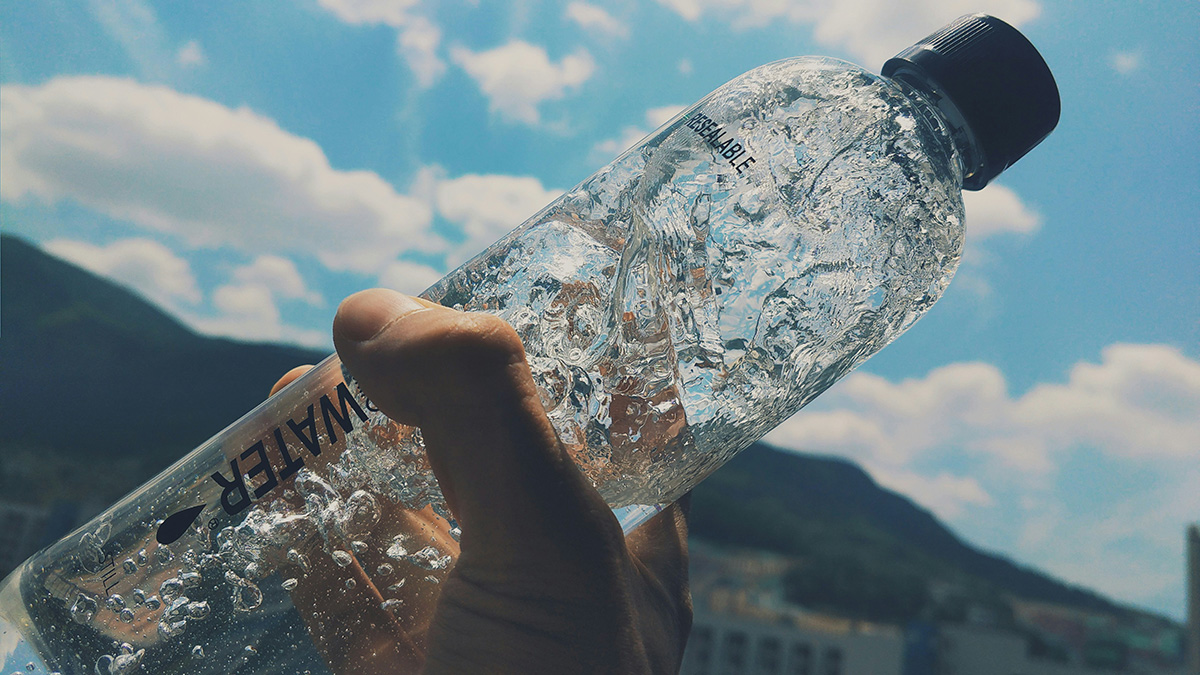
The priority during a heatwave is to prevent avoidable illness and know when to seek help. Hot weather can affect anyone, but older adults, babies and young children, pregnant people, those with long-term heart, lung, kidney or diabetes conditions, people taking several medicines, and anyone living alone or working outdoors may be at higher risk.
The most important steps are simple: keep cool, drink regularly and check on others. Aim to drink water often, even before you feel thirsty. Cold drinks, diluted fruit juice or oral rehydration drinks can help, particularly if you are sweating heavily. Avoid excess alcohol, and limit too much caffeine, as these can contribute to dehydration. Eat lighter, cooler foods such as salads and fruit with a high water content.
Try to stay out of direct sun between 11am and 3pm. If you need to go outside, use shade, wear loose light clothing, a wide-brimmed hat and sunglasses, and apply sunscreen. Indoors, close curtains or blinds on sun-facing windows during the day and open windows only when the air outside is cooler, usually early morning, evening or overnight. If it is safe, create airflow by opening windows on opposite sides of the home. Move to the coolest room, use fans to circulate air, take cool showers or baths, and place a damp cloth on the neck, wrists or feet. Avoid using ovens, hobs, tumble dryers and unnecessary electrical equipment during the hottest part of the day, as these add heat indoors. Plan exercise, dog walking and essential errands for early morning or evening.
It is also sensible to prepare before the hottest part of the day. Keep a refillable water bottle nearby, take regular breaks from physical activity, and make sure medicines are stored as advised on the label or by a pharmacist. If you support relatives, neighbours or patients, agree a simple check-in plan by phone or in person. Watch for reduced urination, dry mouth, unusual tiredness or light-headedness, which may suggest dehydration. People who cannot easily communicate thirst, including some older adults or people with learning disabilities, may need extra prompts and support to drink.
Know the warning signs. Heat exhaustion can cause tiredness, dizziness, headache, nausea or vomiting, heavy sweating, pale or clammy skin, muscle cramps, fast breathing or heartbeat, high temperature and strong thirst. Move the person to a cool place, remove unnecessary clothing, give water or a rehydration drink, cool their skin with water and fanning, and stay with them. They should improve within 30 minutes.
Heatstroke is a medical emergency. Call 999 if someone remains unwell after 30 minutes of cooling, has very hot skin that may not be sweating, a very high temperature, confusion, poor coordination, fast breathing, a seizure, or loses consciousness. While waiting for help, keep cooling them with a cool wet sheet, sponging or fanning. If they become unconscious, place them in the recovery position and tell the ambulance service.
Stay Safe!
