
Street (Illegal) Cannabis vs Prescribed Medicinal Cannabis: What Clinicians and Patients Need to Know
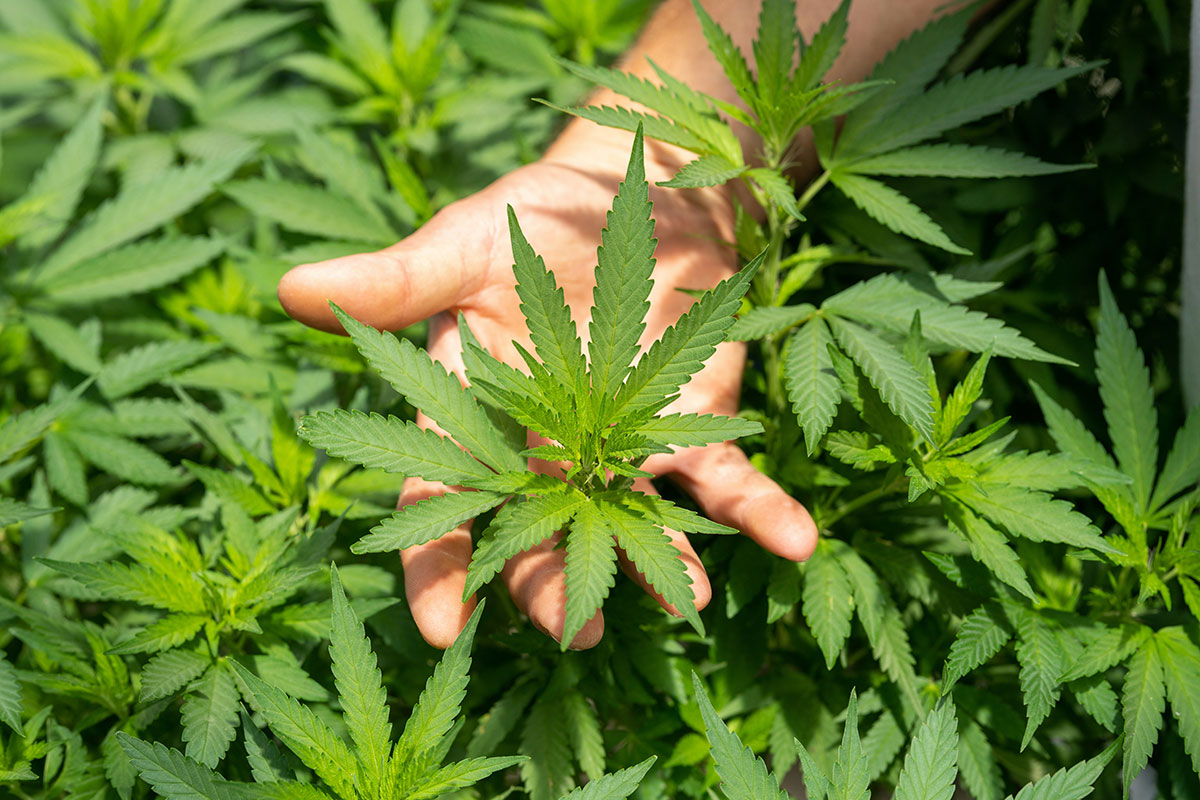
As a clinician working with cannabis-based medicines, I often see confusion between ‘street’ cannabis and prescribed medicinal cannabis. They both originate from the cannabis plant, but they are not equivalent in law, quality, or clinical governance.
Street/illegal cannabis is an unregulated product bought outside healthcare. Potency can vary widely, with modern illicit preparations often being THC-dominant. There is no reliable labelling of THC/CBD content, no batch-to-batch consistency, and no assured testing for contaminants such as pesticides, heavy metals, moulds, or adulterants. From a clinical perspective, this unpredictability increases the risk of unwanted effects (for example, anxiety, cognitive impairment, or psychotic symptoms in vulnerable individuals), drug–drug interactions going unnoticed, and delays in seeking evidence-based treatment.
Legal status: In the UK, cannabis remains a Class B controlled drug. Possession can carry a maximum penalty of up to 5 years in prison and/or an unlimited fine, while supply/production can carry up to 14 years and/or an unlimited fine. Beyond criminal sanctions, involvement with illicit supply chains can expose patients to safeguarding, financial, and reputational harms.
Prescribed medicinal cannabis in the UK usually refers to cannabis-based products for medicinal use in humans (CBPMs). Since 1 November 2018, CBPMs that meet the legal definition can be prescribed and are generally controlled as Schedule 2 medicines, meaning they require robust controlled-drug governance (for example, safe custody and appropriate record keeping). Many CBPMs in current practice are unlicensed ‘specials’, supplied to meet the needs of an individual patient when a licensed alternative is unsuitable.
Prescribing guidance: UK practice is guided by several layers of oversight. The GMC states that the decision to prescribe CBPMs is restricted to doctors on the Specialist Register, working within their competence and typically with multidisciplinary input. This must be considered alongside their additional guidance around consent, general prescription practice and the management of controlled drugs.
There is no legal restriction on what Medicinal cannabis can be prescribed for according to the Medical Cannabis Clinician Society but they place the onus on the prescriber to make sound risk assessed clinical judgements before considering prescription to any patient (new or continuing). The Medical Cannabis Clinician Society provides robust guidance for clinicians and a range of training courses about medicinal cannabis which most registered providers either insist or strongly recommend their clinicians undertake. They also provide support and guidance in the form of regular learning sessions / meet ups and discussion forums about the subject to share best practice.
NICE guideline NG144 provides evidence-based recommendations across four key areas: intractable nausea and vomiting (for example, considering nabilone as add-on for chemotherapy-related symptoms), spasticity (for example, THC:CBD spray for moderate-to-severe MS spasticity after other options), severe treatment-resistant epilepsy (notably cannabidiol in specific syndromes via NICE technology appraisals), and chronic pain (where NICE does not recommend CBPMs for routine management).
NHS England publishes a prescriber-facing summary of the legal position and links to NICE and specialist society guidance.
The MHRA framework for ‘specials’ sets expectations for supply, quality systems, and pharmacovigilance (including reporting adverse reactions via the Yellow Card scheme).
Bottom line:
- Street cannabis is illegal, variable, and clinically unmanaged;
- Prescribed medicinal cannabis is legally supplied, clinically supervised, and embedded in governance frameworks designed to protect patients.
If you are a healthcare entrepreneur, clinician, or service provider exploring how to deliver CBPMs safely and compliantly, contact GIVE Consulting via www.give-consulting.co.uk to discuss how to register to become a cannabis clinic.
